
Why is Learning Music Good for your Brain?
Learning music offers a plethora of benefits for the brain, making it a fantastic activity for people of all ages. It's never too late to pick up an instrument and start enjoying the cognitive and emotional rewards. However, the specific benefits may vary depending on the type of music and the intensity of practice.
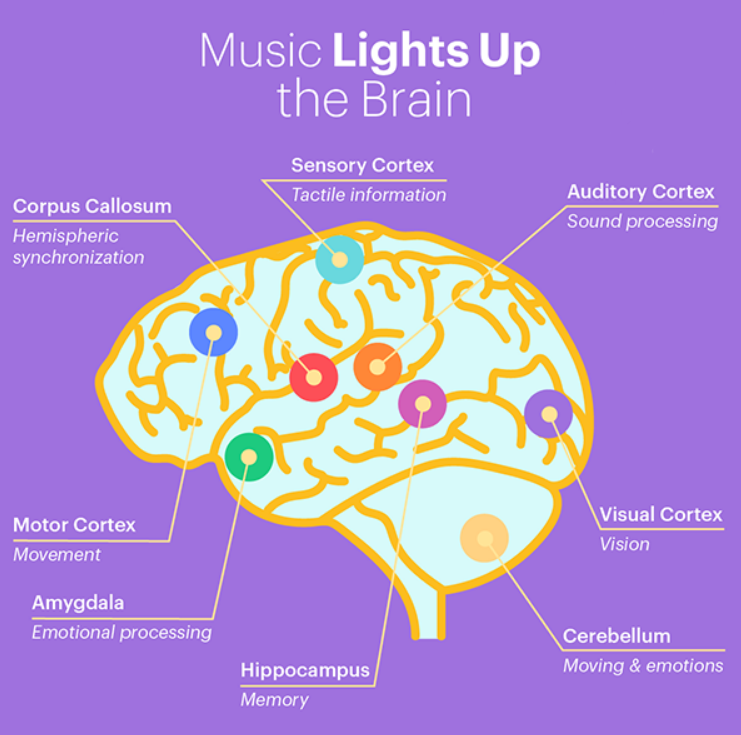
Enhanced Memory: Learning to play a musical instrument or engaging with music has been linked to improved memory function. This includes both short-term memory, where individuals may better remember sequences of notes or rhythms, and long-term memory, where individuals may recall pieces of music or musical experiences from the past.
Increased Focus and Attention: Playing or listening to music can improve focus and attention. It has been shown to activate areas of the brain associated with attention regulation and cognitive control, helping individuals maintain concentration on tasks.
Emotional Regulation: Music has the ability to evoke emotions and can be used as a tool for emotional regulation. Listening to certain types of music can help reduce stress, anxiety, and depression, while also promoting feelings of relaxation and well-being.
Improved Motor Skills: Learning to play a musical instrument involves the coordination of fine motor movements, which can enhance overall motor skills and dexterity. This can be particularly beneficial for children as they develop and refine their motor skills through musical practice.
Enhanced Linguistic Abilities: Some research suggests that musical training may benefit language processing abilities, including phonological awareness, vocabulary development, and reading comprehension. This is thought to be due to similarities in the neural processing of music and language in the brain.
Neuroplasticity: Engaging with music can promote neuroplasticity, the brain's ability to reorganize and adapt in response to new experiences. Musical training has been associated with structural and functional changes in the brain, particularly in areas involved in auditory processing, motor control, and executive function.

Subscribe
Contact Us
contact@sayantanguitar.online
Phone
+91 8276015617
© 2026 Sayantan Mandal